Combatting Heel Pain: Strategies to Heal and Prevent 3 Common Foot Issues

Understanding Heel Pain: Types and Causes
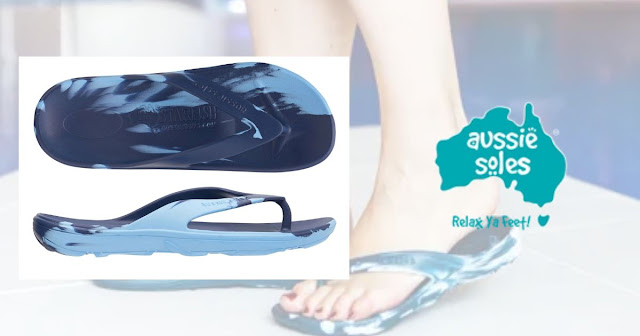
Heel pain is a common issue that can severely impact daily activities. Understanding its types and causes is crucial for effective management. Archies flip flops, and orthopaedic slippers are pivotal in alleviating these pains.
Plantar Fasciitis
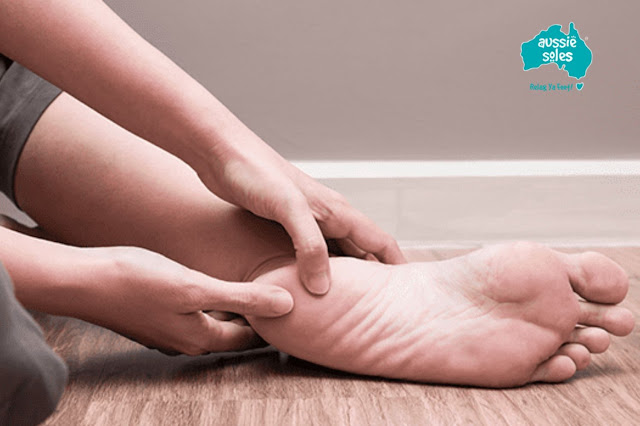
Plantar fasciitis, characterised by pain in the heel and arch, results from inflammation of the plantar fascia, a ligament spanning from the heel to the toes. It commonly affects individuals who stand for long periods or athletes engaged in high-impact activities. Wearing footwear with proper arch support like Archies flip flops can reduce strain on the plantar fascia, thereby alleviating symptoms.
Achilles Tendinitis
Achilles tendinitis causes pain at the back of the heel and up the calf. It arises from overuse or improper footwear that strains the Achilles tendon. Archies flip flops provide cushioning and support to the heel, promoting healing and preventing further aggravation of the tendon.
Heel Spurs
Heel spurs are bony protrusions that develop on the underside of the heel bone. They can cause intermittent or chronic pain, especially when walking or standing. Arch support footwear helps distribute weight more evenly across the foot, reducing pressure on the heel spur and providing relief.
Effective Strategies for Healing Heel Pain
Choosing the Right Footwear
Selecting appropriate footwear is paramount in managing heel pain. Arch support footwear, such as those offered by Aussie Soles AU, provides the necessary stability and cushioning to alleviate discomfort associated with plantar fasciitis, Achilles tendinitis, and heel spurs. These shoes are designed with anatomically contoured arch support that helps maintain natural foot alignment and reduce strain on the heel.
Incorporating Orthotics
Orthotic inserts can enhance the support provided by footwear. They are customised to fit the individual foot shape, offering personalised arch support and cushioning where needed most. Combining orthotics with orthopaedic slippers ensures comprehensive support throughout the day, minimising the impact of heel pain on daily activities.
Stretching and Strengthening Exercises
Regular stretching exercises for the calf muscles and Achilles tendon can improve flexibility and reduce tension on the heel. Strengthening exercises, such as toe curls and heel raises, help stabilise the foot and ankle, further aiding in pain relief and prevention of future issues.
Preventive Measures to Avoid Heel Pain
Maintain a Healthy Weight
Excess body weight increases pressure on the feet and heels, exacerbating conditions like plantar fasciitis and heel spurs. Maintaining a healthy weight through proper diet and regular exercise can significantly reduce the strain on your feet and lower the risk of developing heel pain.
Wear Supportive Footwear Consistently
Consistently wearing footwear arch support and proper cushioning is crucial in preventing heel pain. Whether at home or outdoors, choosing shoes that prioritise comfort and support helps maintain foot health and prevents the onset of conditions like plantar fasciitis.
Monitor Footwear Condition
Regularly inspecting footwear for signs of wear and tear ensures they continue to provide adequate support. Replace worn-out shoes promptly to prevent inadequate cushioning and support, which can contribute to heel pain and other foot-related issues.
Conclusion:
Combatting heel pain requires a multifaceted approach that includes choosing the right footwear, incorporating orthotics as needed, performing stretching exercises, maintaining a healthy weight, and monitoring footwear condition. By implementing these strategies, individuals can effectively manage existing heel pain and reduce the likelihood of developing further foot issues.

Comments
Post a Comment